
In this article
Walk down the shampoo aisle and "sulfate-free" is printed on half the bottles. Walk down the beard aisle and it is on a few more. But what does it actually mean, does it matter for a beard, and is it worth paying more for?
This guide gives you the plain answer. We cover what sulfates are, how they behave on facial skin and hair, what to look for on a label, and how to switch to a sulfate-free beard wash without your beard feeling different for the first week.
A sulfate-free beard wash cleans with milder surfactants instead of sodium lauryl sulfate (SLS) or sodium laureth sulfate (SLES). Sulfates clean very well, but they can leave some people's skin feeling tight or dry, and facial skin is more exposed than the scalp. A sulfate-free wash is a good choice if your beard area gets dry, itchy or tight after washing. It is not magic, and it will not make a beard grow on its own.
What are sulfates in a beard wash?
Sulfates are a family of cleansing agents (surfactants). The two you will see most often are sodium lauryl sulfate (SLS) and sodium laureth sulfate (SLES). They are cheap, they foam a lot, and they are very good at lifting oil and dirt. That is why they are in so many shampoos, body washes and even toothpastes.
A surfactant has two jobs: it grabs onto oil and dirt, and it lets water rinse them away. Sulfates do this strongly. The catch is that they are not picky about which oil they remove. They take away the dirt, the old product and also some of the natural oils your skin and hair use to stay comfortable.
Are sulfates bad for your beard?
Not in a dramatic way, and "bad" is the wrong word. Sulfates are used safely by millions of people. The real question is whether they suit your skin and beard.
Here is where they can be less ideal for a beard:
- Facial skin is more exposed. Your face deals with wind, sun, air-conditioning and shaving. Skin that is already dry can feel tighter after a strong cleanser.
- Beard hair is a different texture. Coarse facial hair can feel rough or straw-like if a wash strips too much oil, and it can get harder to comb.
- Itch and flakes. If your skin feels dry after washing, you may notice more itch or flaking. Many things cause beard itch, so a wash is only one factor. Our beard itch guide covers the rest.
If your beard feels fine on a sulfate wash, there is no urgent reason to change. If it feels dry, tight or itchy, a milder cleanser is one of the easiest things to try.
How does a sulfate-free beard wash clean without sulfates?
A sulfate-free wash uses different surfactants. Common ones include:
- Sodium methyl cocoyl taurate, a coconut-derived cleanser that is known for being mild.
- Decyl glucoside and coco-glucoside, sugar and coconut-derived cleansers often used in gentle formulas.
- Cocamidopropyl betaine, which helps build a creamy lather and softens the feel of the wash.
These still clean. They just tend to do it more gently, and with a softer, creamier foam rather than a big, squeaky lather. If you are used to a lot of foam, expect a small adjustment. The beard is still getting clean; there are simply fewer bubbles.
Sulfate vs sulfate-free beard wash: how do they compare?
| What you notice | Typical sulfate wash | Sulfate-free wash |
|---|---|---|
| Foam | Big, fast lather | Softer, creamier foam |
| Cleaning strength | Very strong | Strong enough for daily dirt and product, gentler on oils |
| Skin feel after rinsing | Can feel tight on dry skin | Usually more comfortable |
| Beard feel | Can feel squeaky or rough | Usually softer and easier to comb |
| Price | Often cheaper | Often a little more |
Neither is "right" for everyone. Oily skin that handles sulfates well may not need to switch. Dry, sensitive or itchy skin is where a milder wash makes the most sense.
Who should use a sulfate-free beard wash?
A sulfate-free wash is worth a try if:
- Your skin feels tight or dry after washing your beard.
- You get itch or flaking that comes and goes with washing.
- Your beard feels coarse, straw-like or hard to comb after a wash.
- You live somewhere dry or use air-conditioning a lot. Dry summers and cold, dry rooms both take moisture out of skin.
- You are using products like a roller or oil and want a gentle first step.
You may not need one if your skin is oily and calm and your current wash works well for you.
How to read a beard wash label
"Sulfate-free" on the front is a good start, but check the ingredient list on the back. The ingredients are listed in order, from most to least.
- Look out for: sodium lauryl sulfate, sodium laureth sulfate, ammonium lauryl sulfate and ammonium laureth sulfate. If you see any of these near the top, the wash uses sulfates.
- Look for: a gentle cleansing system (for example taurates or glucosides) followed by moisturising ingredients such as glycerin, panthenol or aloe vera.
- Check for fragrance. It shows as "parfum" or "fragrance". Fragrance is fine for most people, but it can irritate sensitive skin.
- Check for allergens you know about, such as nut oils.
What is in our sulfate-free Beard Growth Wash?
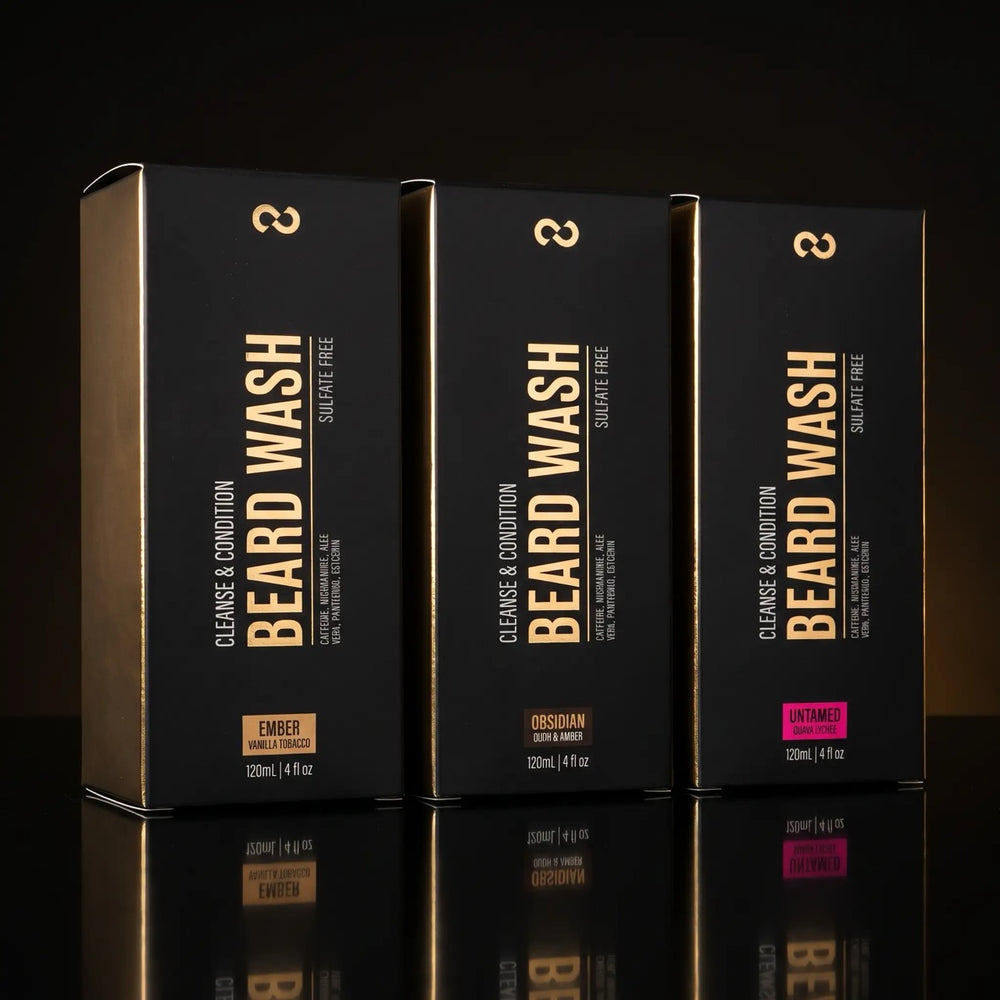
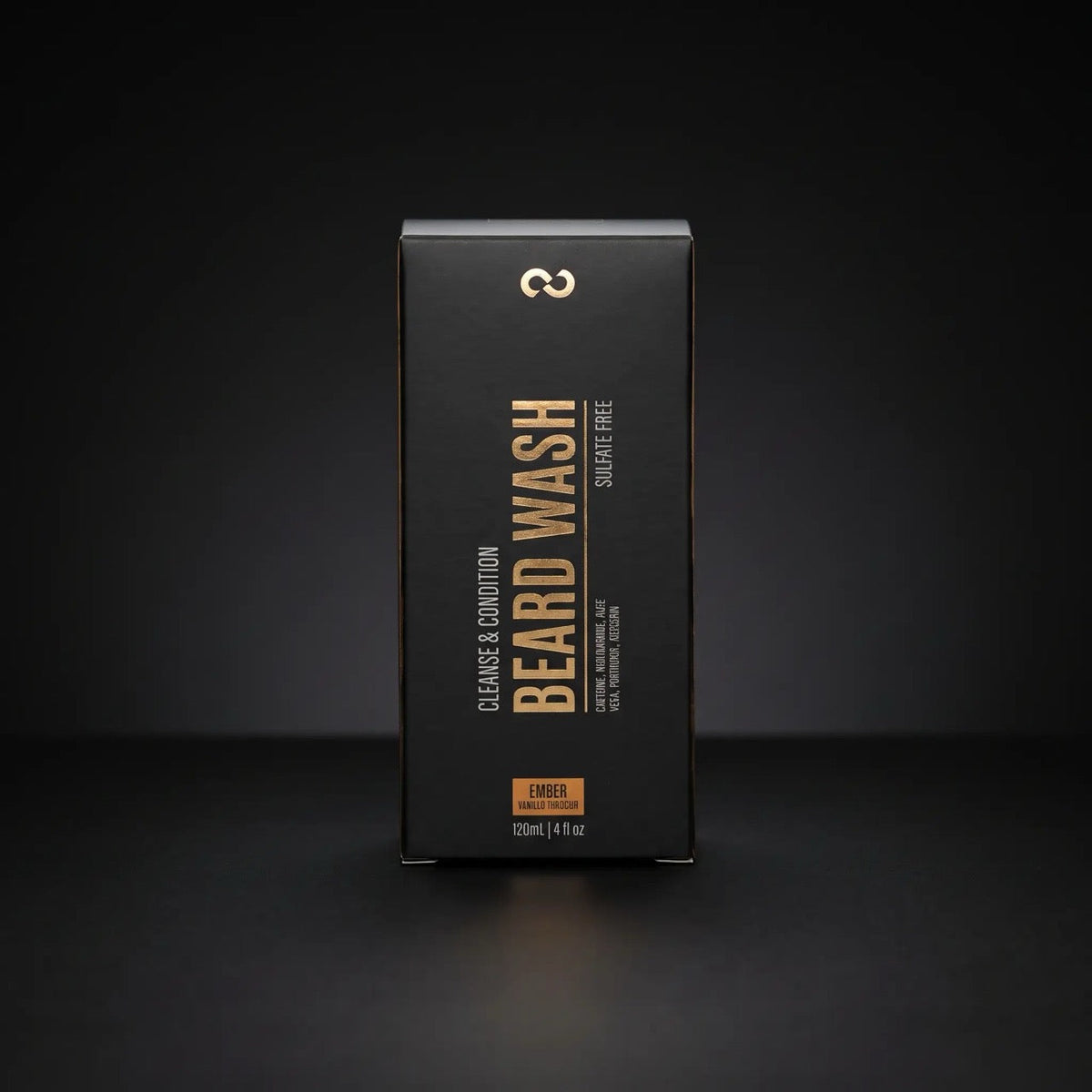
We made the Beard Growth Wash in Australia, and it is sulfate-free. It cleans with sodium methyl cocoyl taurate, decyl glucoside and coco-glucoside, with cocamidopropyl betaine for lather.
It also contains caffeine, niacinamide, aloe vera and panthenol, plus glycerin. These are included to support healthy-looking skin and keep your beard comfortable. We do not claim a wash can grow a beard. The wash is step one of a routine.
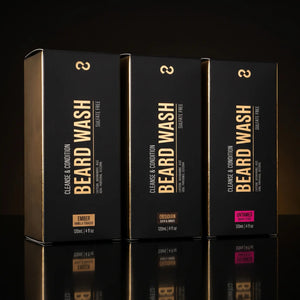
For a full ingredient-by-ingredient breakdown, read our Beard Growth Wash ingredients guide. It comes in three scents (Untamed, Obsidian and Ember), in 120mL bottles, as a single or a 3-Pack with one of each scent.
How to switch to a sulfate-free beard wash
Changing washes does not need a big plan, but a few simple steps make it smoother.
- Wet your beard and skin with warm, not hot, water. Hot water dries skin out.
- Use a small amount. A sulfate-free wash lathers less, so do not add more because you see fewer bubbles. Work it through with your fingertips, onto the skin as well as the hair, for 30 to 60 seconds.
- Rinse well. Leftover product is a common cause of itch.
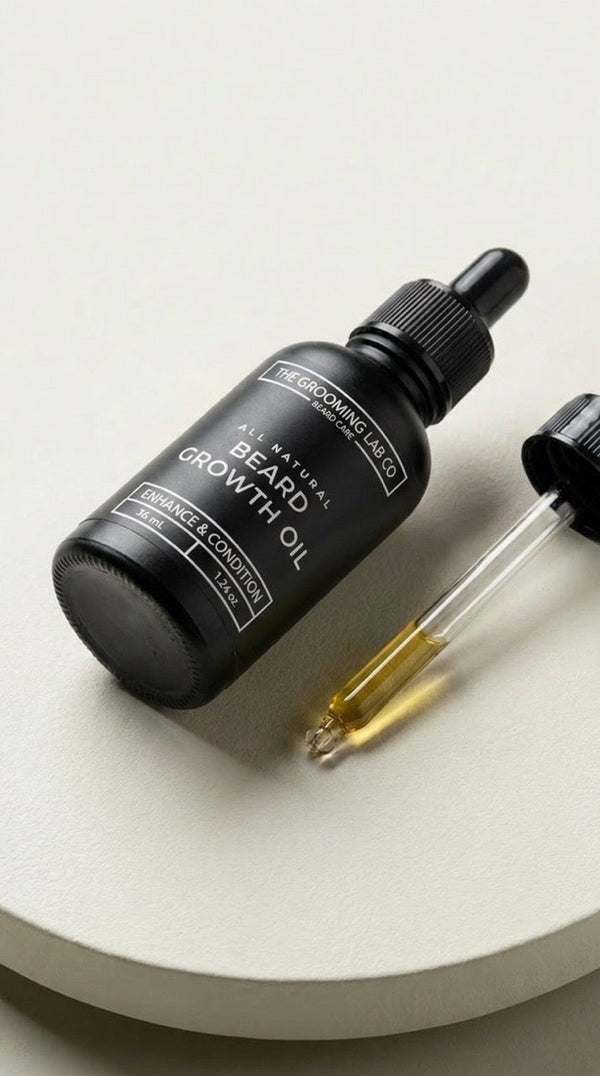
- Pat dry, do not rub. Then follow with beard oil or balm. Not sure which? Our balm vs oil guide explains it.
Give it two weeks. If you are coming off a strong sulfate wash, your skin and beard may take a few washes to settle. Most men wash a few times a week; it is not something to do every day.
Sulfate-free beard wash myths
"Sulfate-free washes do not really clean."
They do. They use different cleansers that still lift dirt and oil. They are just less aggressive.
"No foam means it is not working."
Foam is mostly cosmetic. A softer lather is normal with milder surfactants.
"Sulfates are toxic."
No. SLS and SLES are widely used and considered safe for most people in rinse-off products. The point is comfort and fit for your skin, not danger.
"A sulfate-free wash will grow a beard."
No wash will. Genetics, age and hormones decide how your beard grows. A good wash looks after the skin your beard grows from, which is a helpful part of a routine. Our guide to growing a thicker beard explains what you can and cannot control.
Where a sulfate-free wash fits in your beard routine
Washing is the first step, not the whole routine. A simple order works well: wash a few times a week, dry the beard, then condition with oil or balm, and comb through. If you use a roller, do that on clean, dry skin, and keep it clean. Our complete beard care routine puts it all in order, and our routine quiz will build one for you in about a minute.
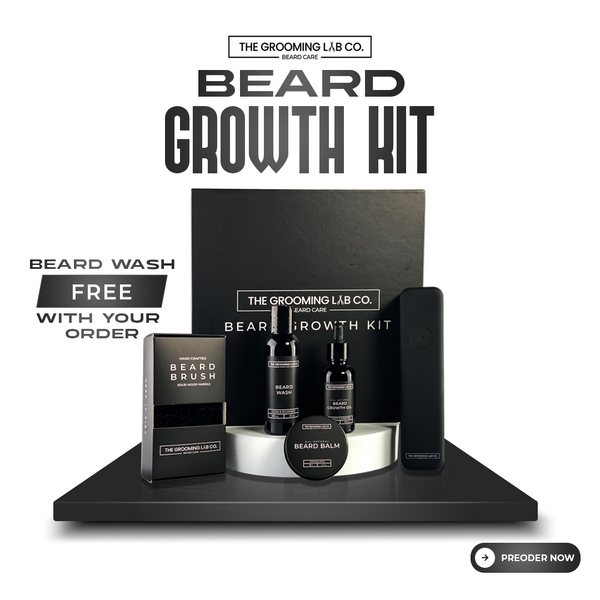
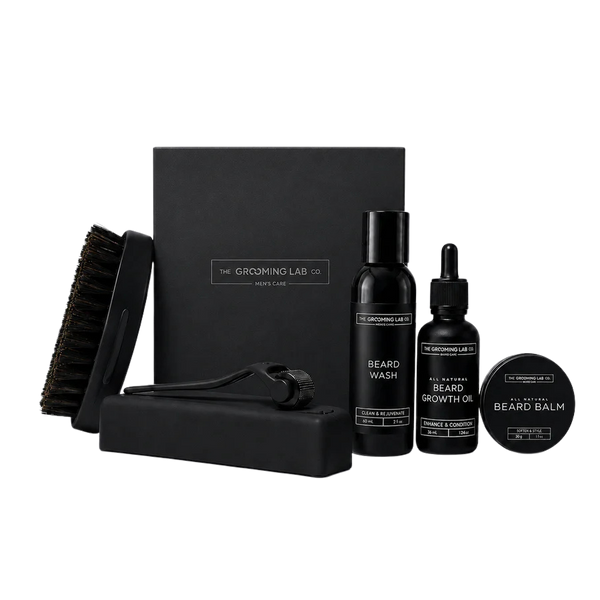
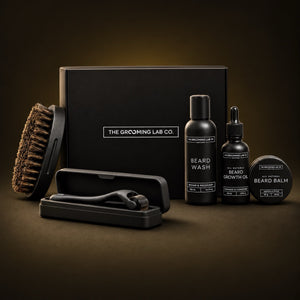
If you want everything in one go, the Beard Growth Kit includes the wash with the oil, balm, roller and brush.
When to see a doctor
A wash will not fix every skin issue. See a GP or dermatologist if you have severe itch, redness, burning, weeping or crusted skin, patchy hair loss, or you suspect an allergy. Always patch test a new product on a small area first, especially if it contains fragrance.
Sulfate-free beard wash FAQs
What is a sulfate-free beard wash?
It is a beard cleanser that uses milder cleansing ingredients, such as taurates and glucosides, instead of sulfates like SLS or SLES. It still cleans the beard and the skin underneath, but it is designed to be gentler on skin and hair.
Is a sulfate-free beard wash better for your beard?
It can be, especially if your skin feels tight, dry or itchy after washing. If your current wash works well for you, you do not have to change. A sulfate-free wash is a good thing to try when dryness is the problem.
Does sulfate-free beard wash clean as well?
Yes. It uses different surfactants that still lift dirt, oil and product build-up. The lather is usually softer and creamier, which does not mean it is cleaning less.
Will a sulfate-free beard wash help with beard itch?
It may help if dryness from a strong cleanser is part of the cause. Beard itch has many causes, including dry skin, build-up, friction and skin conditions, so see a doctor if itch is severe or does not settle.
Why does sulfate-free beard wash not foam as much?
Milder surfactants make a softer, creamier foam than sulfates. Foam is mostly cosmetic. Use a small amount, work it in for 30 to 60 seconds and rinse well.
Can I use sulfate-free shampoo on my beard?
You can, but shampoo is made for scalp hair. A beard wash is formulated for the skin on your face and the texture of beard hair, and it is worth using one if your beard feels dry.
How often should I use a sulfate-free beard wash?
A few times a week is plenty for most men. Wash more often if you are active or your beard feels heavy with product, and less often if your skin feels dry.
Is the Grooming Lab Co. Beard Growth Wash sulfate-free?
Yes. It is made in Australia and cleans with sodium methyl cocoyl taurate, decyl glucoside and coco-glucoside. It also contains caffeine, niacinamide, aloe vera, panthenol and glycerin, plus fragrance.
This article is for general information about our products and ingredients. It is not medical advice. If you have a skin condition or allergies, talk to your doctor before using a new product.