
In this article
To stop beard itch, wash gently two to three times a week, rinse well, oil damp skin daily and brush to lift flakes. An itchy beard is usually a skin comfort problem, and for most men it settles within a couple of weeks of a consistent routine.
This guide covers why beards itch, what beardruff (beard dandruff) really is, a step-by-step routine, how long itch lasts, and the signs that mean you should see a doctor instead of buying another product.
Wash 2 to 3 times a week with a gentle sulfate-free beard wash, rinse thoroughly, apply beard oil to damp skin daily, brush gently, and add balm if your skin runs dry. Most mild itch eases within a couple of weeks. If the skin is red, painful, weeping or flaking thickly, it may be a skin condition such as seborrhoeic dermatitis, so see a GP or dermatologist.
Why is my beard so itchy?
Itch has a handful of common causes. Finding yours tells you which fix to try first.
| Likely cause | What it feels like | First thing to try |
|---|---|---|
| Dry skin | Tight, fine flakes, worse in air-conditioning or winter heating | Warm (not hot) water, daily oil on damp skin |
| New, short hairs | Prickly itch in the first few weeks of growth | Patience, a gentle routine, no panic shaving |
| Harsh products | Stripped, tight skin after washing | Swap shampoo or body wash for a sulfate-free beard wash |
| Build-up or poor rinsing | Itch that returns a day or two after washing | Rinse for longer, wash sunscreen and sweat out |
| Ingrown hairs or razor irritation | Sore bumps, mainly on the neckline and cheeks | Stop shaving that area, ask a GP if it persists |
| Skin condition or allergy | Redness, greasy scale, burning, rash | See a GP or dermatologist |
Dry skin is the most common cause. Skin that loses moisture feels tight and flakes, and flaking skin itches. Hot showers, strong cleansers and dry indoor air all contribute, and Australian summers with the air-conditioning on and winters with the heater running both qualify.
The prickly phase of early growth is also very real. Freshly grown hairs are short and blunt and can poke the skin, and itch at this stage usually eases as hairs lengthen and soften.
What is beardruff, and is it the same as dandruff?
Beardruff is the everyday name for flaking skin in the beard. It shows up as white or off-white flakes in the hair or on your shirt.
Often it is simply dry skin shedding. Sometimes it is seborrhoeic dermatitis, the same condition behind dandruff on the scalp, which can also affect the beard and brings redness and greasy-looking scale. The American Academy of Dermatology says a dandruff shampoo can help treat it on the beard and face too.
A useful rule: fine flakes on normal-looking skin suggest dryness. Red, inflamed skin or thick, persistent scaling is worth getting checked.
How to stop beard itch: a step-by-step routine
Work through these in order. Most men feel a difference from the first three steps alone.
Step 1: Wash with a gentle beard wash, 2 to 3 times a week
Wash often enough to clear sweat and build-up, but not so often that you strip the skin. Use lukewarm water, lather in your hands and massage down to the skin for up to a minute. Our guide on how often to wash your beard goes deeper.
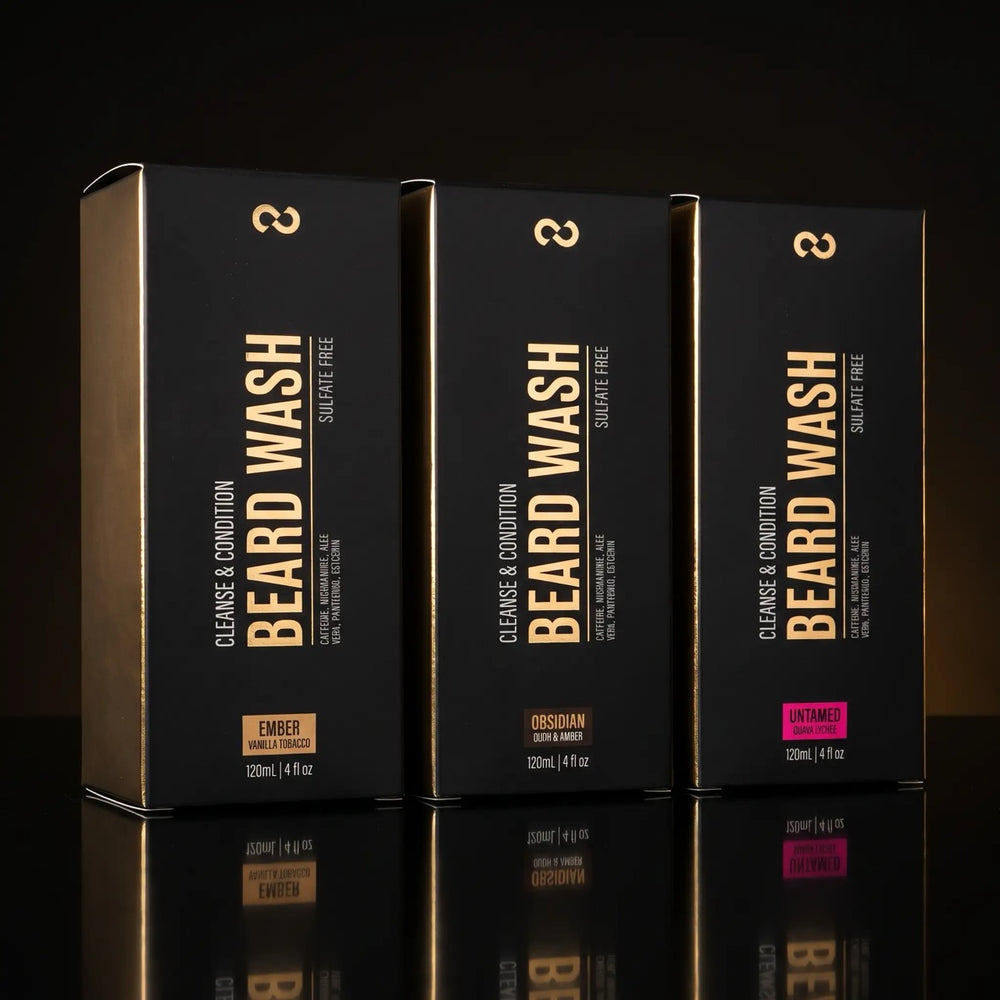
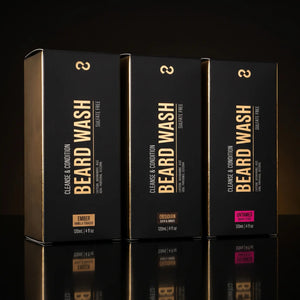
Our Beard Growth Wash is sulfate-free and made in Australia, with caffeine, niacinamide, aloe vera and panthenol, in Untamed, Obsidian and Ember scents. Rinse until the water runs clear, because leftover wash is a classic hidden cause of itch.
Step 2: Oil damp skin every day
Damp skin holds moisture better, so oil straight after washing or rinsing. Warm a few drops in your palms and work them through to the skin, not just the surface of the hair.
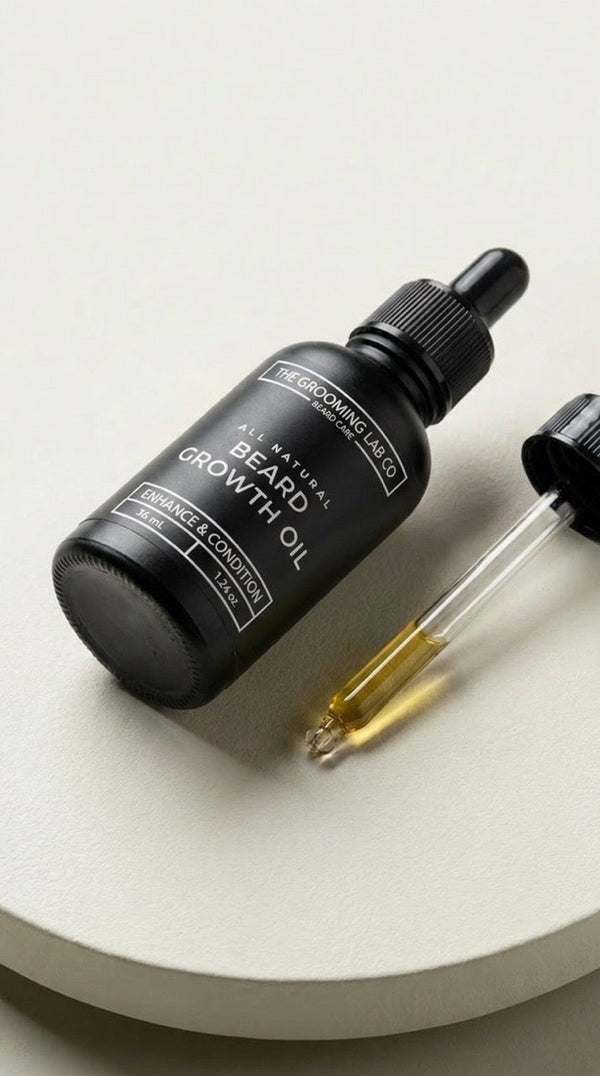
The Beard Growth Oil (30ml) is made with jojoba oil, macadamia oil, vitamin E and zinc, and helps skin feel comfortable and hair feel softer. It contains macadamia, a tree nut, so patch test if your skin is sensitive. Not sure which oil suits you? See how to choose a beard oil.
The American Academy of Dermatology suggests that if your skin is acne-prone, a small amount of non-comedogenic beard conditioner may suit better than oil, because dry skin can make the body produce more oil and lead to breakouts. If you break out after starting an oil, stop and ask a GP or pharmacist.
Step 3: Brush or comb daily
Brushing lifts loose flakes, spreads oil from the roots to the tips and stops hairs tangling. The AAD advises brushing gently, before washing your face, and notes that brushing too hard can irritate skin and worsen dandruff. Use a beard brush and clean it regularly so you are not putting old build-up back on your skin.
Step 4: Add balm if your skin runs dry
Balm sits over the oil and helps hold moisture in, which is handy in air-conditioning or for longer beards that dry out by midday. The Beard Balm uses shea butter, beeswax, jojoba, argan, sweet almond and vitamin E. It contains nut-derived oils, so skip it or patch test if you react to them. Our balm vs oil guide explains when you need each.
Step 5: Hold off on the roller
Skip the roller while your skin is itchy, flaky, red or breaking out. Never use one on broken, inflamed or infected skin. Once your skin is calm, our guide on how to use a beard roller safely covers cleaning and technique.
When flakes are more than dryness
For suspected seborrhoeic dermatitis, the AAD recommends shampooing the beard and scalp at least once a week with a dandruff shampoo containing 2% zinc pyrithione, 1% ketoconazole or 1% selenium sulfide, and it mentions a short course of an over-the-counter hydrocortisone solution for rash and greasy patches. Check with your pharmacist or GP before using medicated products on your face, particularly if the skin is already sore.
How can you stop beard itch fast?
If you need relief today, these quick moves help most.
- Rinse with lukewarm water, not hot, to calm the skin.
- Pat dry and apply a few drops of oil while the beard is still damp.
- Resist scratching with your nails. Press or tap, or gently brush.
- Take a break from fragranced products if you suspect a reaction.
- Change your pillowcase and clean your brush, since both hold build-up.
Quick fixes only calm the surface. Lasting comfort comes from the routine above.
How long does beard itch last?
It depends on the cause, and everyone's skin differs, so treat these as general expectations and not promises.
Calm the surface
Switch to a gentle wash, rinse well, oil daily. Dryness-related itch can start easing.
New-growth itch fades
As hairs lengthen and soften, the prickly phase usually settles. Stay consistent and resist trimming in a panic.
Still itchy?
Review your products, water temperature, climate and wash frequency, then speak to a health professional. The AAD advises seeing a dermatologist if a rash persists after a few weeks of dandruff shampoo treatment.
Itch is the main reason men shave off a beard in the first month. Stay consistent with washing, oil and brushing even when the beard still looks short. Patchy or slow growth is down to genetics, age and hormones more than your routine, and our guide to growing a thicker-looking beard sets realistic expectations.
What mistakes make an itchy beard worse?
Do
- Wash 2 to 3 times a week with a gentle, sulfate-free wash.
- Rinse for longer than you think you need.
- Oil and balm clean, damp skin.
- Use lukewarm water.
- Wash towels and pillowcases weekly.
Don't
- Wash daily with a strong cleanser.
- Take very hot showers.
- Layer heavy product over build-up.
- Scratch or pick with your nails.
- Ignore red, painful or weeping patches.
Everyday habits matter too. Sunscreen and sweat can sit in the hair, so rinse them out at night. Air-conditioning and heating both dry the air, so a little extra oil on those days is a simple adjustment. General hydration and balanced eating support overall skin health, though they are not a guaranteed fix for itch.
When should you see a doctor about an itchy beard?
Redness, swelling or pain that does not settle. Pustules, crusting, weeping or sores. Thick, greasy or persistent scaling. Round bald or scaly patches. Acne-like breakouts or broken skin under the beard. Itch that disturbs your sleep or does not improve after a few weeks. A reaction after starting a new product.
This guide is general information, not medical advice. A professional can tell you whether you are dealing with dryness or a condition that needs proper care, and a pharmacist is a good first stop for product questions. If patches are round or smooth, see our complete beard care routine for the basics, and speak to a doctor about the patches themselves.
What are the best products for an itchy beard?
You want gentle, simple and consistent. A good starter set is a sulfate-free wash, a conditioning oil and a brush, with balm added if you need it.
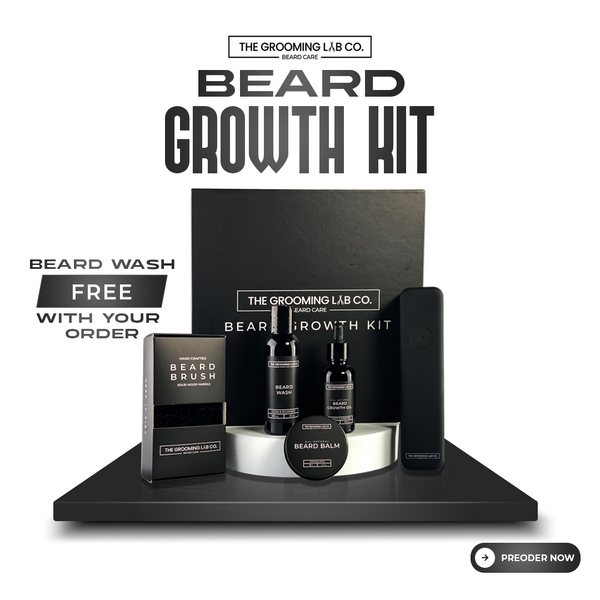
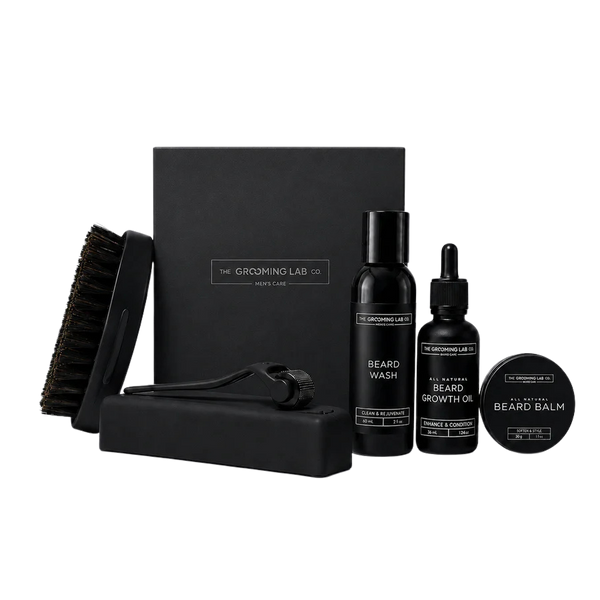
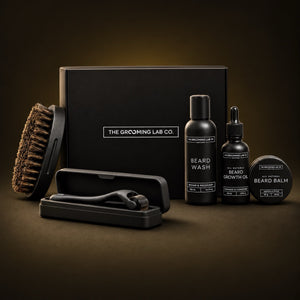
If you would rather have it in one order, the Beard Growth Kit is a four-step routine of roller, oil, balm and wash, plus a brush, in 60, 90 and 120-day sizes, with a 150-day money-back guarantee. Introduce the roller only once your skin is calm. Not sure where to start? Take the free 60-second routine quiz.
Why is my beard so itchy?
The usual causes are dry skin, harsh products, build-up and short, sharp new hairs in the first few weeks. Ingrown hairs and shaving irritation can also play a part. If the skin is red, painful, scaly or weeping, it could be a skin condition such as seborrhoeic dermatitis or an allergy, so see a GP.
How do I stop beard itch quickly?
Rinse with lukewarm water, pat your beard damp, apply a few drops of beard oil and brush gently. Avoid scratching with your nails. This calms the surface, but the longer-term fix is washing 2 to 3 times a week with a gentle wash, rinsing thoroughly and oiling daily.
What is beardruff and how do I get rid of it?
Beardruff is flaking skin in the beard area. It is often dryness, but can be seborrhoeic dermatitis. A gentle wash, thorough rinsing, daily oil and gentle brushing can help with dryness. For red, greasy or persistent scale, ask a pharmacist, GP or dermatologist about a dandruff shampoo or other treatment.
How long does beard itch last?
Itch from new growth often eases within a few weeks as hairs lengthen and soften. Dryness-related itch can improve within one to two weeks of a consistent routine for many men. Everyone differs. If it lasts beyond a few weeks, check your products and ask a health professional.
Does beard oil help with itch?
Beard oil helps skin feel moisturised and comfortable, which can ease itch caused by dryness. Apply it to damp skin and work it through to the roots. If you are prone to acne, or an oil seems to make things worse, stop using it and ask a pharmacist or GP.
Should I shave if my beard is itchy?
Usually not. Shaving resets the short, sharp-tip phase and can bring razor irritation. Stay with a gentle routine for a few weeks first. If itch is severe or comes with redness, pain or sores, see a GP before deciding. Shaving can also bring ingrown hairs on the neckline and cheeks, so a gentle routine first is usually the kinder option.
Can shampoo cause beard itch?
It can. Shampoo and body wash are designed for scalp hair and body skin and can leave facial skin dry and tight. Switching to a sulfate-free beard wash and rinsing thoroughly is a simple change that often helps. A medicated dandruff shampoo is a different case, so ask a pharmacist or GP.
This article is for general information about our products and ingredients. It is not medical advice. If you have a skin condition or allergies, talk to your doctor before using a new product.