
In this article
An Australian summer is hard on a beard. Heat makes you sweat, humidity makes everything feel sticky, the beach and the pool add salt and chlorine, and then you walk into an air-conditioned office that dries it all out again.
This guide covers beard care in summer Australia from start to finish: how often to wash, what to do about sunscreen, how to handle salt water and chlorine, whether to reach for oil or balm, and how to keep itch under control when the weather turns.
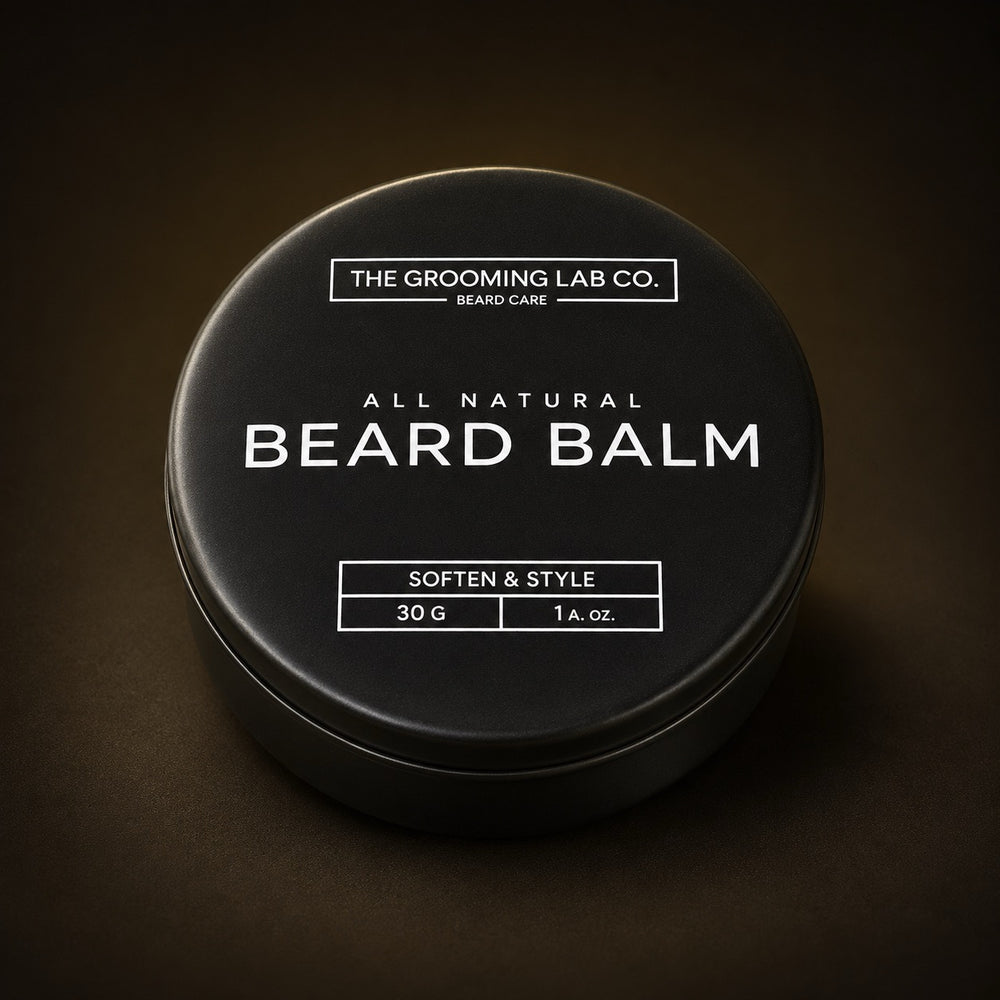
In summer, keep your beard clean but not stripped. Wash with a mild, sulfate-free wash as often as sweat and sunscreen make it necessary, rinse with fresh water after the beach or pool, and switch to a lighter product such as a beard oil on the hottest days. Keep a small amount of balm for shaping if you need it, apply sunscreen to the skin around the beard, and keep the shape tidy with a light trim. Our Beard Balm works well in a small amount, kept out of direct heat.
How does an Australian summer affect your beard?
Hair and skin respond to their environment, and summer changes three things at once: temperature, moisture and sun exposure.
Heat increases sweat and oil on the skin underneath your beard. Sweat itself is mostly water and salt, and it can sit against the skin for hours under dense facial hair. Humidity, particularly along the coast, stops that moisture from evaporating, so the beard can feel damp and heavy.
Then the reverse happens indoors. Air-conditioning pulls moisture out of the air, and some people find their beard and the skin beneath feel dry and tight after a day at a desk.
That swing between sticky outdoors and dry indoors is why a summer routine is a little different from a winter one. You are managing both too much moisture and too little, sometimes in the same day.
How often should you wash your beard in summer?
There is no single number, because it depends on how much you sweat, how active you are and how oily your skin is. A practical guide is to wash when your beard feels sweaty, sunscreen-heavy or dirty, and to rinse with water on the days in between.
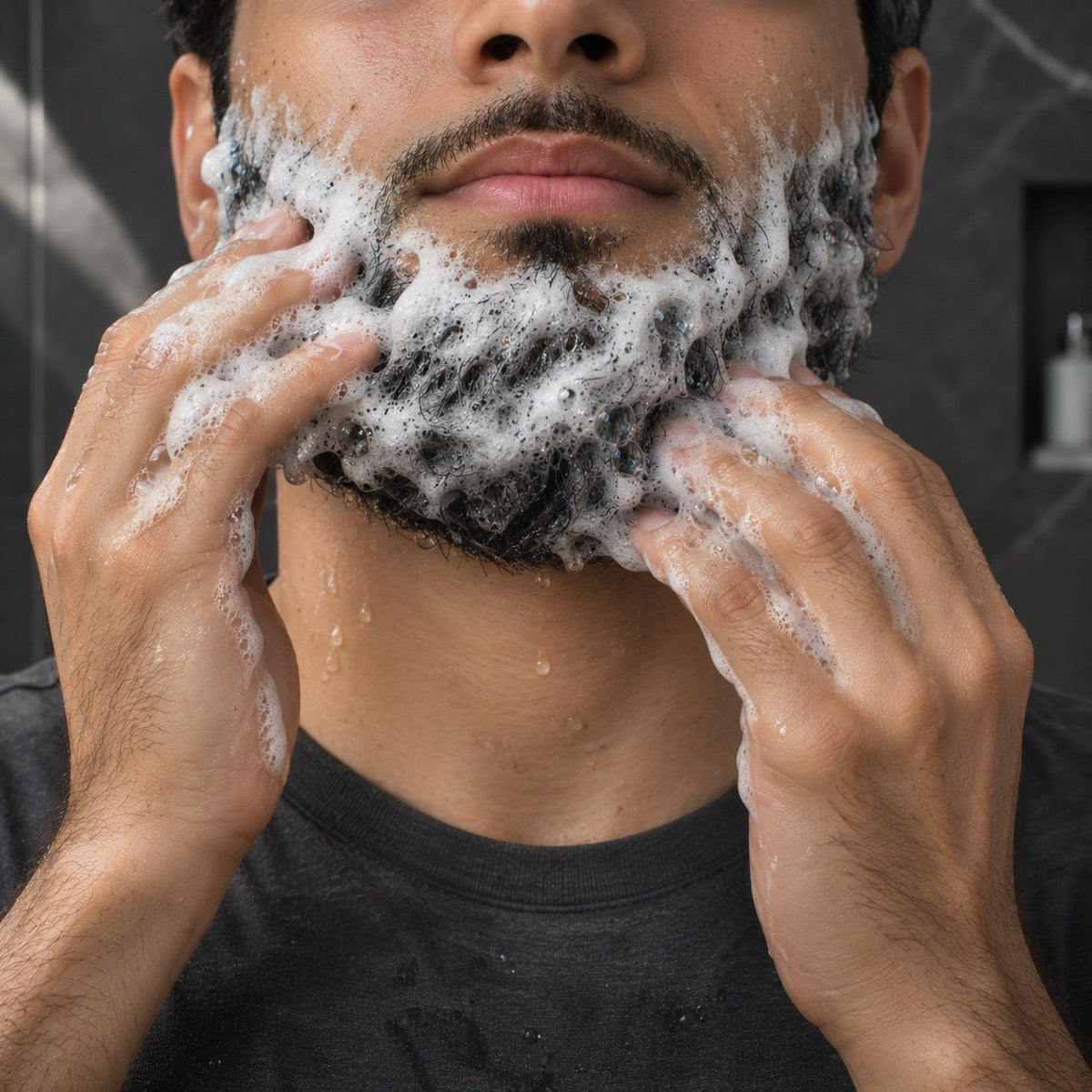
Many men find that a wash every day or two suits a hot, active week, while a quieter week at a desk needs fewer. Washing too often with a harsh cleanser can leave skin feeling tight, which can make itch worse. Washing too rarely lets sweat, sunscreen and dust build up. The middle path is a gentle wash, used when you actually need it.
For a full breakdown, see our guide on how often you should wash your beard.
Choose a gentle cleanser
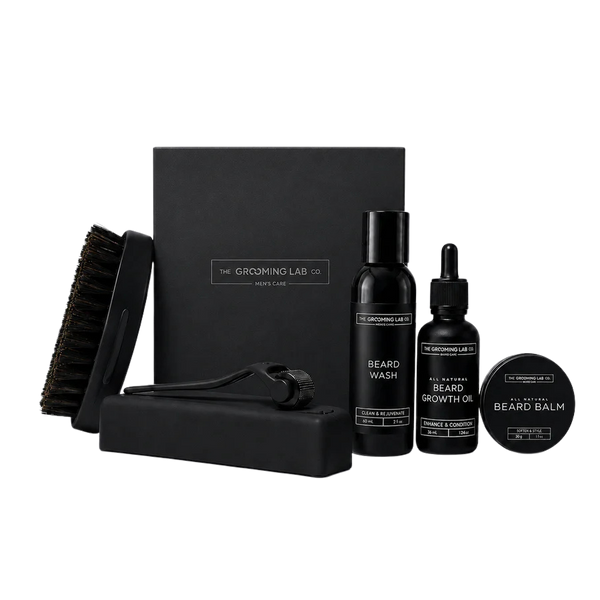
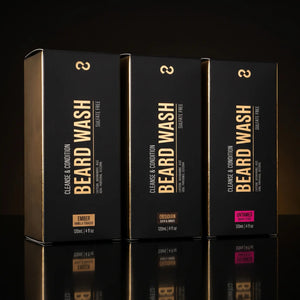
If you wash more often in summer, the type of wash matters more. Strong sulfate-based cleansers can strip natural oils, and that is more noticeable when you are washing frequently. A milder formula is easier to live with. Our guide to sulfate-free beard wash explains what to look for, and the Beard Growth Wash is a sulfate-free option, made in Australia, with aloe vera, panthenol and glycerin.
Rinse on the in-between days
A thorough rinse with lukewarm water, working your fingers through to the skin, removes a lot of sweat and surface grime without any product at all. Use cool to lukewarm water rather than hot, which can leave skin feeling dry.
How do you deal with sweat and humidity in a beard?
Sweat on its own is not harmful, but a beard that stays damp and unwashed can start to smell, and some people find it makes the skin underneath feel irritated.
- Dry properly. After a shower or a rinse, pat the beard with a clean towel. Do not rub hard, which can rough up the hair.
- Let it breathe. If you wear a cap or helmet for long stretches, take it off when you can so the area can dry.
- Keep a clean towel or cloth handy. A quick pat during a hot day can make a beard feel a lot more comfortable.
- Wash gym and work clothes. Collars and caps that touch your beard pick up sweat and oil too.
Combing helps as well. A snag-free bamboo beard comb spreads natural oils along the hair and lifts the beard so air can reach the skin.
How do you wear sunscreen with a beard?
Sunscreen and beards do not mix well, and it is easy to skip the skin under facial hair. But the skin around and through a beard is still skin, and it is exposed on the cheeks, upper lip, neck and any thin or patchy areas.
A beard may give some shade, but it is not a reliable substitute for sun protection, especially if yours is short, patchy or trimmed close. In Australia, where UV levels are high in summer, it is sensible to treat facial skin like any other exposed skin and follow standard sun-safe habits.
Practical tips
- Apply sunscreen to the exposed skin on your face, including the cheek line, the neck and the tops of the ears.
- Use a formula you find comfortable on skin. Lighter lotions and gels are often easier around facial hair than thick creams.
- Keep sunscreen out of the beard where you can. Product that gets trapped in the hair can feel greasy and build up.
- Wash at the end of the day so sunscreen, sweat and dirt do not sit on the skin overnight.
- A wide-brimmed hat and shade help, whatever your beard length.
If you notice a spot that changes, bleeds or does not heal, see your GP or a dermatologist. Skin checks are worth doing regularly, and a beard can hide things.
What do salt water and chlorine do to a beard?
If you swim at the beach or the pool through summer, your beard will notice. This is not a reason to stay out of the water, but it is a reason to rinse afterwards.
Salt water can leave hair feeling dry, stiff and a bit rough as it dries, and the salt can sit on the skin. Chlorine is used to keep pools clean, and it can also leave hair and skin feeling dry for some people.
A simple after-swim routine
- Rinse your beard with fresh water as soon as you can, ideally a shower, working through to the skin.
- If you have swum several times in a week, use a gentle wash rather than just water.
- Pat dry, then add a few drops of oil to soften the hair and help the skin feel comfortable.
- Comb through gently while the beard is still slightly damp.
If you swim most days, a rinse and a little oil afterwards is usually enough. You do not need to wash with a full cleanser each time.
Does air-conditioning dry out your beard?
It can. Air-conditioning lowers humidity, and people who spend long hours in cooled offices, cars and shops often notice drier skin and a rougher beard. Skin that feels tight can start to itch.
The fix is gentle and simple:
- Moisturise the skin under your beard after washing, with a light product you tolerate well.
- Use a few drops of beard oil to help hair feel softer and less brittle.
- Drink water through the day. It will not fix dry skin alone, but it is part of looking after yourself in the heat.
- Avoid very hot showers, which can add to dryness.
Beard oil vs balm in summer: which is better?
This is the question most men ask about summer, and the honest answer is that both have a place. They just behave differently in the heat.
| Beard oil | Beard balm |
|---|---|
| Lighter and thinner, spreads easily | Richer and thicker, with butters and wax |
| Softens hair and conditions skin | Conditions and gives light hold and shape |
| Can feel more comfortable on hot days | Can feel heavier in humid weather if you use too much |
| Easy to apply to a damp beard after rinsing | Best in small amounts, warmed in your hands |
On the hottest days, many men prefer oil because it feels lighter. If you want your beard to hold its shape, or you have flyaways, a small amount of balm is useful. Use less than you would in winter, since heat and humidity make a heavy application feel greasy.
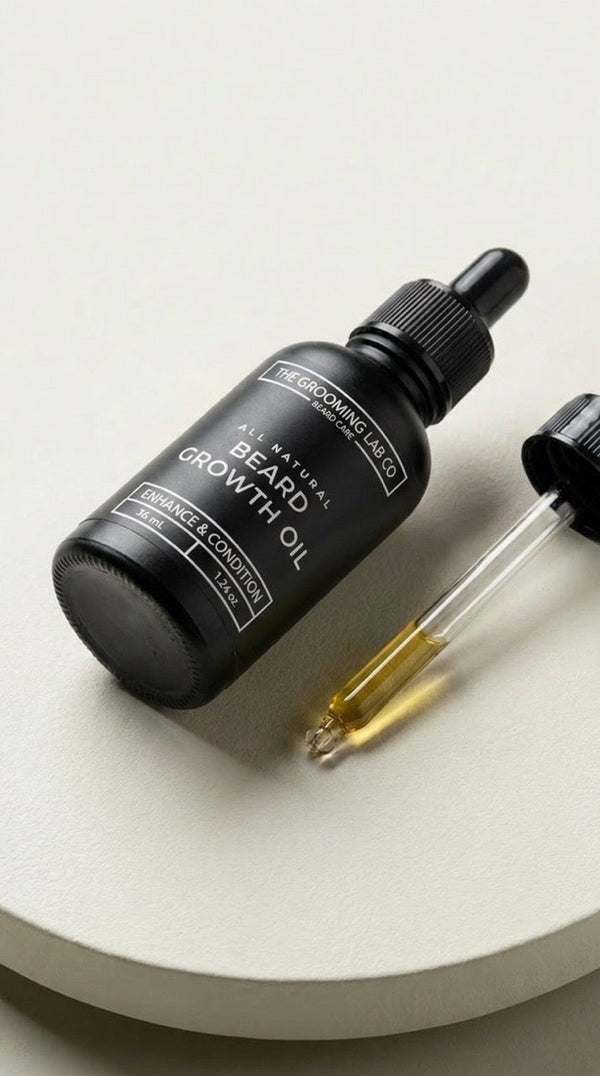
Our Beard Growth Oil (30mL) contains jojoba, macadamia, vitamin E and zinc, and is a good lightweight option. The Beard Balm (30mL) contains shea butter, beeswax, jojoba, argan, sweet almond and vitamin E. Note that both contain tree nut oils, so skip them if you have a tree nut allergy, and patch test first if you have sensitive skin.
Want the full comparison? Read beard balm vs beard oil, or our guide on how to choose a beard oil.
Store your balm out of the heat
Beeswax and shea butter soften in warm conditions. Do not leave a tin of balm in a hot car, on a sunny windowsill or in a beach bag in direct sun. If it softens, it usually firms up again once it cools, though the texture may change slightly. Keep it in a cool, shaded spot.
How do you stop beard itch in summer?
Itch has a few common summer triggers: sweat and salt on the skin, dryness from air-conditioning, product build-up from sunscreen, and shaving or trimming close in the heat.
Start with the basics:
- Wash away sweat, salt and sunscreen on a regular basis, with a gentle cleanser.
- Keep the skin underneath moisturised.
- Do not scratch hard, which can irritate the skin further.
- Check that you are rinsing out all of your wash and any product.
Flaking, redness or persistent itch can point to something beyond simple dryness. For more detail, see our complete guide to stopping beard itch and beardruff. If the skin looks inflamed, painful or infected, or if itch does not settle, speak to your GP or a dermatologist. We are not able to give medical advice.
Should you trim your beard in summer?
Many men tidy up their beard in summer, because a shorter beard is cooler and easier to keep clean. You do not have to cut it all off. A light trim can make a real difference.
- Tidy the neckline and cheek line. This keeps the shape sharp even when the beard is a little shorter.
- Trim the length, not the lot. Taking off a small amount reduces heat and weight without losing the beard.
- Trim the moustache. It collects sweat, food and drink, and it can get in the way in the heat.
- Be patient if you are growing. Growth is mostly driven by genetics, age and hormones, and a beard commonly needs a few months to fill in. A tidy trim can look better than a straggly longer beard in the meantime.
Trim a dry beard, comb it first, and take it off a little at a time. You can always take more off, but you cannot put it back.
What does a simple summer beard routine look like?
Here is a routine that is easy to follow and does not take long.
- Morning: rinse with water, or wash if you need to. Pat dry. Add a few drops of oil, then a small amount of balm if you want hold. Sunscreen on the exposed skin.
- Daytime: pat away sweat if needed. Keep your balm in the shade.
- After swimming: rinse with fresh water, then oil to soften.
- Evening: wash with a gentle cleanser to clear sweat and sunscreen, then moisturise the skin and add oil.
- Weekly: tidy the neckline and trim any stray hairs.
If you want the bigger picture, our complete beard care routine covers every step. Not sure what you need? Take the free 60-second routine quiz, or browse our beard care and grooming range.
How often should I wash my beard in an Australian summer?
It depends on how much you sweat and how active you are. A practical rule is to wash when your beard feels sweaty, sunscreen-heavy or dirty, and rinse with water on other days. Many men find every day or two suits hot weeks. Use a gentle, sulfate-free wash so frequent washing does not leave your skin tight.
Is beard oil or balm better in summer?
Beard oil is lighter and tends to feel more comfortable on hot, humid days. Balm is richer and adds light hold and shape, so use only a small amount in summer. Many men use oil most days and balm occasionally for styling. Both can contain tree nut oils, so check the ingredients if you have allergies.
Do I need to put sunscreen on the skin under my beard?
Yes, treat the skin around and under your beard like any other exposed skin. A beard may provide some shade, but it is not reliable protection, especially if it is short or patchy. Apply sunscreen to exposed areas, wash it off at night, and see a GP if you notice a spot that changes.
How do I look after my beard after the beach or pool?
Rinse it with fresh water as soon as you can, working through to the skin to remove salt or chlorine. If you swim several times a week, use a gentle wash. Pat dry, add a few drops of oil to soften the hair, and comb it through while it is slightly damp.
Does air-conditioning make beard itch worse?
It can. Air-conditioning lowers humidity, and dry air can leave facial skin tight and the beard feeling brittle, which some people notice as itch. Moisturise the skin under your beard after washing, use a few drops of oil, and avoid very hot showers. If itch persists or the skin looks inflamed, see your GP.
Should I trim my beard shorter in summer?
You do not need to, but many men like a lighter beard in the heat because it is cooler and easier to keep clean. A tidy neckline, a trimmed moustache and a small length trim are usually enough. If you are growing your beard, remember that patience matters and genetics play a big role.
Will my beard balm melt in the heat?
Balm contains beeswax and shea butter, which soften in warm conditions, so it can go soft or melt if left in a hot car or direct sun. It usually firms up again when it cools, though the texture may change slightly. Store it in a cool, shaded spot, such as a bathroom drawer.
Why does my beard smell in summer?
Sweat, oil, food and sunscreen can build up in a beard in hot weather, and a damp beard can smell. Wash with a gentle cleanser when you need to, dry it properly, and wash the caps and collars that touch it. If the smell or irritation does not go away, speak to your GP.
This article is for general information about our products and ingredients. It is not medical advice. If you have a skin condition or allergies, talk to your doctor before using a new product.