
In this article
Searching for the best beard oil Australia has to offer usually ends in a wall of near-identical bottles, each promising a softer, fuller-looking beard. The truth is that the best beard oil is the one that suits your skin, your beard length and your climate. This guide shows you how to choose one, step by step.
Look for a short ingredient list built on skin-friendly carrier oils such as jojoba and macadamia, pick a scent level you are comfortable with, and avoid heavy mineral oils and harsh fragrance if your skin is sensitive. A 30mL bottle suits most beards for a couple of months of daily use. If you have a nut allergy, check every label before you buy.
What does beard oil actually do?
Beard oil is a blend of carrier oils, sometimes with essential oils or fragrance, that you massage into your beard and the skin underneath. Its job is simple: help the skin feel comfortable and help the hair look and feel softer and more manageable.
It does not change how fast or how thickly your beard grows. Genetics, age, hormones and diet do most of that work, which we cover in our guide to the science behind beard growth. What oil can do is support a healthy-looking beard while you wait.
That matters most in the awkward early weeks, when new hair can feel coarse and the skin underneath can feel tight or itchy. A good oil softens the hair, reduces flyaways and adds a healthy-looking sheen.
Which carrier oils are best: jojoba, macadamia and others?
The carrier oil is the base of the bottle and the most important thing to read first. It makes up most of the formula, so it determines how the oil feels and how it sits on your skin.
Jojoba oil
Jojoba is technically a liquid wax rather than a true oil, and its structure is often described as similar to the skin's own natural oils. It tends to feel light and non-greasy, and it rarely clogs pores for most people. That is why it appears in so many well-made formulas.
Macadamia oil
Macadamia is a classic Australian ingredient. It is a richer oil that absorbs well and leaves hair feeling soft and smooth without a heavy finish. It is a tree nut oil, so it is worth knowing about if allergies are in the picture (more on that below).
Argan, almond and others
Argan and sweet almond are also popular. Argan is light and silky. Sweet almond is gentle and affordable but is a tree nut, so the same allergy caution applies. Grapeseed is a light, fast-absorbing option, and fractionated coconut oil stays liquid and has a very light feel.
Vitamin E and other extras
Vitamin E (tocopherol) is commonly added to formulas to help protect the oils from going off, and it is a conditioning ingredient in its own right. You will also see zinc in some modern formulas. These are supporting players. The carrier oils do the heavy lifting.
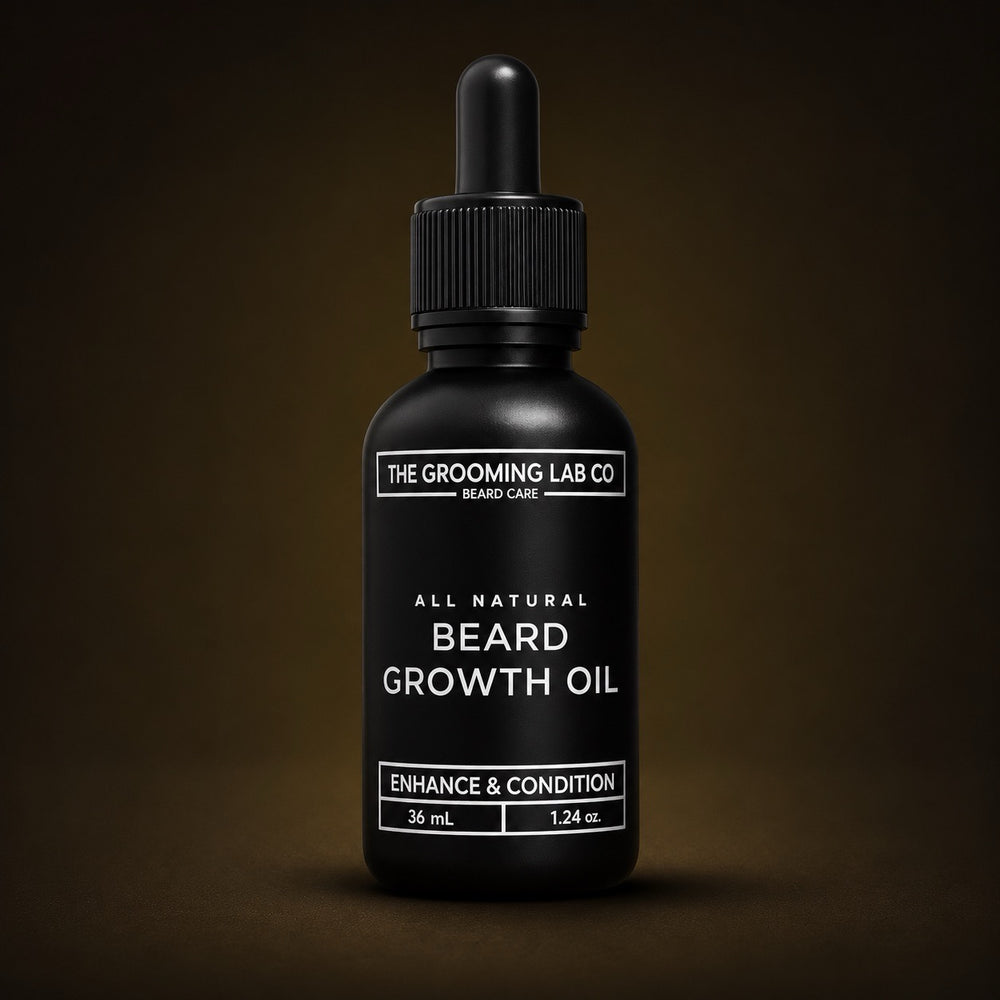
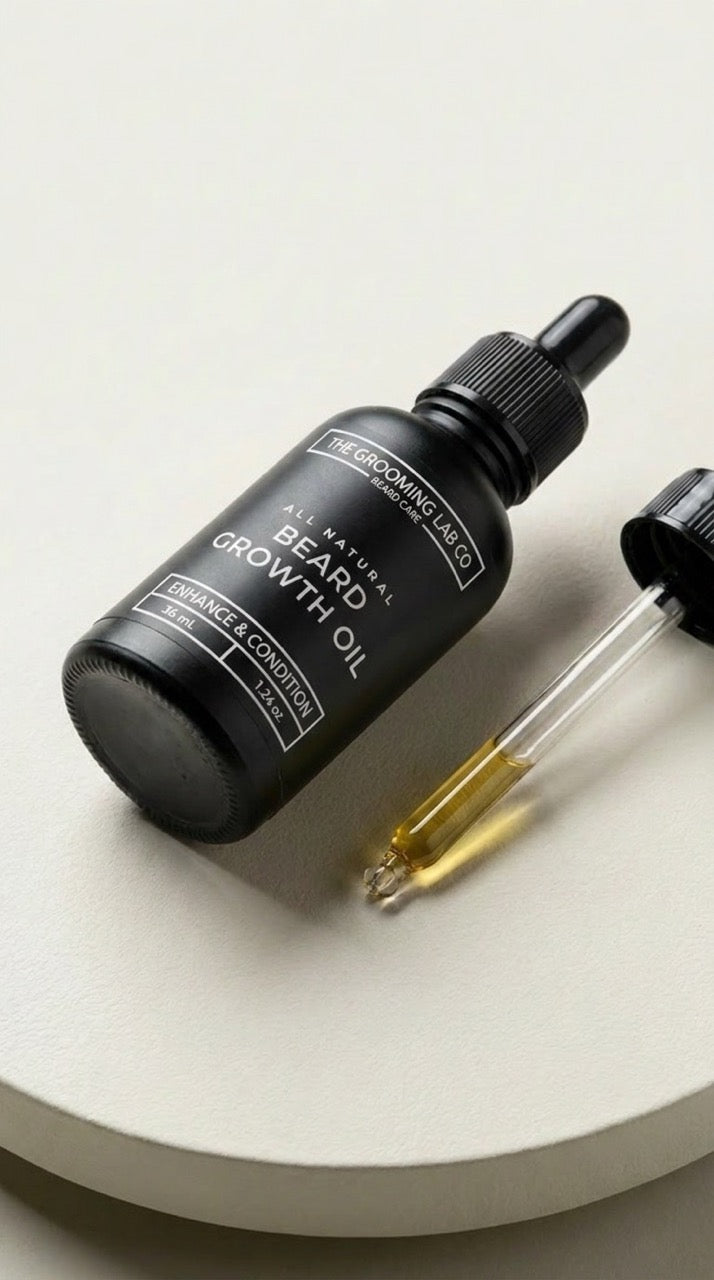
Our Beard Growth Oil is built around jojoba and macadamia, with vitamin E and zinc. If you want to see how an oil sits alongside a wash and a balm, our free 60-second routine quiz will point you in the right direction.
Scented or unscented beard oil: which should you choose?
This is mostly personal preference, but there are practical points worth weighing.
When unscented makes sense
- Your skin is sensitive or easily irritated by fragrance.
- You already wear cologne and do not want scents competing.
- Your workplace is fragrance-free or you spend a lot of time in close quarters.
- You are new to beard oil and want to see how your skin reacts to the carrier oils alone.
When scented is worth it
A lightly scented oil can be a pleasant part of your morning routine, and some men like their beard to smell good all day. Look for oils scented with essential oils or a modest amount of fragrance, and avoid anything that smells overpowering from the bottle, because it will smell stronger on your face.
If you are unsure, start with a mild or unscented option. You can always add scent later with a balm or cologne, and you will know exactly what your skin tolerates.
How much beard oil should you use for your beard length?
Most people use too much at first. A good rule is to start small, add more only if needed, and let the oil absorb before you judge the result. These are general starting points, not rules. Thicker, coarser or drier beards may need a little more.
| Beard length | Starting amount | Notes |
|---|---|---|
| Stubble to short (up to about 1cm) | 2 to 3 drops | Focus on the skin underneath. |
| Medium (about 1 to 3cm) | 3 to 5 drops | Work through to the roots and ends. |
| Long (3 to 6cm) | 5 to 8 drops | Comb through for even coverage. |
| Very long (over 6cm) | 8 to 10 drops | Apply in two rounds if needed. |
If your beard looks greasy or clumpy, you have used too much. Dab a clean towel over it and use fewer drops next time. If it still feels dry or frizzy an hour later, add one or two more drops.
How long will a bottle last?
That depends on your beard and how often you use it. For a short to medium beard used once a day, a 30mL bottle commonly lasts a couple of months. Long beards will go through it faster. Buying a bottle you will actually use every day beats a larger bottle that sits on the shelf.
How do you choose a beard oil for your skin type?
Your beard sits on skin, and the skin is what you are really caring for. Match the oil to your skin type.
- Oily or acne-prone skin: choose lighter oils such as jojoba or grapeseed, use fewer drops, and focus on the hair rather than the skin. Avoid heavy butters on the face.
- Dry skin: richer oils such as macadamia or argan can feel more comfortable. Apply to slightly damp skin after washing so the oil helps lock in moisture.
- Sensitive skin: keep the ingredient list short, choose unscented, and patch test first. Skip strong essential oils such as peppermint or cinnamon if they sting.
- Combination skin: a balanced oil such as jojoba works well. Use a little more on dry patches and less on the T-zone.
If you are dealing with flaking or itching, the cause is not always dryness. Our guide on how to stop beard itch and beardruff explains the common causes and when it is worth speaking to a GP or dermatologist.
Is beard oil safe if you have a nut allergy?
This is the question many guides skip. Macadamia and sweet almond are tree nut oils. Some people with a tree nut allergy react to refined nut oils and others do not, and reactions can be serious, so this is not something to guess about.
- Read the full ingredient list, not only the front of the bottle.
- Look for the botanical names too, such as Macadamia ternifolia or Prunus amygdalus dulcis (sweet almond).
- If you have a known nut allergy, speak to your GP or allergist before using any nut-derived oil.
- If you are unsure, patch test a small amount on your inner forearm and wait 24 hours before applying to your face.
- Stop using any product that causes redness, swelling, hives or breathing difficulty, and seek medical help straight away for a serious reaction.
Jojoba is not a nut. It comes from the seed of a desert shrub, which is why many nut-free formulas use it as the base. If you need a nut-free oil, check the label and choose one that clearly lists its ingredients.
What should you avoid on a beard oil label?
A little label literacy goes a long way. These are the things worth watching for.
Heavy mineral oil and petrolatum as the main ingredient
Mineral oil is cheap and sits on top of the hair rather than absorbing. It is not harmful for everyone, but if it is first on the list you are mostly paying for a coating. Plant-based carrier oils generally feel nicer and absorb better.
Vague "fragrance" or "parfum" with no detail
Fragrance is a common cause of skin irritation. A scented oil is fine, but if you have sensitive skin, look for a short formula with a clear ingredient list, or go unscented.
Alcohol high up the ingredient list
Some oils and sprays use denatured alcohol, which can leave skin feeling tight. It is not what you want in something meant to comfort dry skin.
Long lists of essential oils
Essential oils are potent. Peppermint, cinnamon, clove and citrus oils in particular can sting or irritate. A small amount is fine for most people, but more is not better.
Bold claims
Be cautious of any bottle that promises dramatic growth or "regrows" patches. Oil cannot change your genetics. In Australia, claims about treating a condition are tightly regulated, so a brand that stays within what an oil can honestly do is usually the safer bet.
Missing information
Look for a clear ingredient list, a stated bottle size and a brand you can easily contact if something is wrong.
How do you use beard oil step by step?
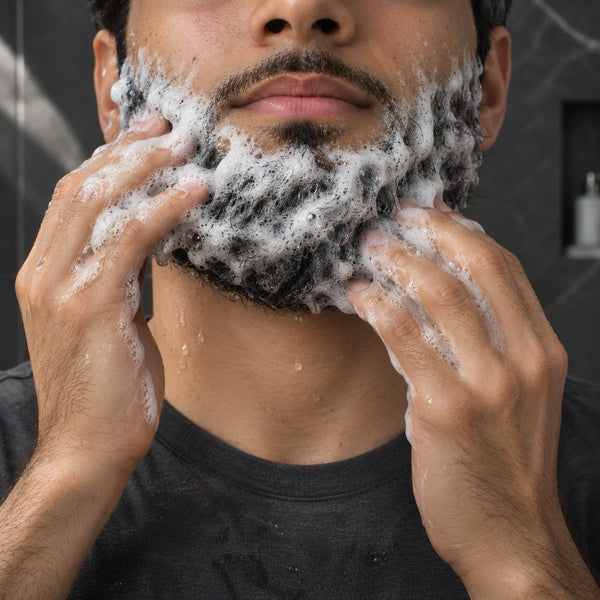
- Start with a clean beard. Wash with a gentle, sulfate-free wash so the oil can reach the skin. Our guide to a sulfate-free beard wash explains why.
- Pat dry. Leave the beard slightly damp rather than dripping wet.
- Warm the drops. Put the right number of drops in your palm and rub your hands together.
- Massage into the skin first. Work from the cheeks and jaw, using your fingertips so the oil gets beneath the hair.
- Smooth through the hair. Run your hands from the roots to the tips.
- Comb or brush. This spreads the oil evenly and shapes the beard.
- Repeat daily. Most people apply once a day, usually in the morning. Add a second light application at night if your beard is dry.
Wash day matters too. If you are unsure how often to wash, our guide on how often you should wash your beard will help you set a rhythm that does not strip the oils you have just added.
Beard oil, balm and the Australian climate
Oil and balm do different jobs. Oil is lighter and conditions the skin and hair. Balm contains butters and wax, so it adds hold and a little more protection. Many men use both. We break the difference down in our guide to beard balm vs beard oil.
Climate matters here. In a hot Australian summer, a light oil often feels better than a heavy balm, particularly in coastal humidity. In winter, or in a dry inland climate with air-conditioning running all day, the skin tends to dry out faster and a balm over the top can help. Our guide to beard care in an Australian summer goes into this in more detail.
Oil is one step in a routine, not the whole routine. Washing, conditioning and combing all matter, and the complete beard care routine shows how the steps fit together. If you are just getting started, what to buy first is a good place to begin.
A quick checklist for choosing the best beard oil
- Is the first ingredient a plant-based carrier oil such as jojoba or macadamia?
- Is the ingredient list short and easy to read?
- Does the scent level suit your skin and your lifestyle?
- Is it free of anything you are allergic to, including tree nuts?
- Does it come in a size you will use within a couple of months?
- Does the brand stay honest about what an oil can and cannot do?
If you can tick most of these, you have found a good oil. The right choice is rarely the most expensive one or the one with the loudest claims. It is the one you will use consistently.
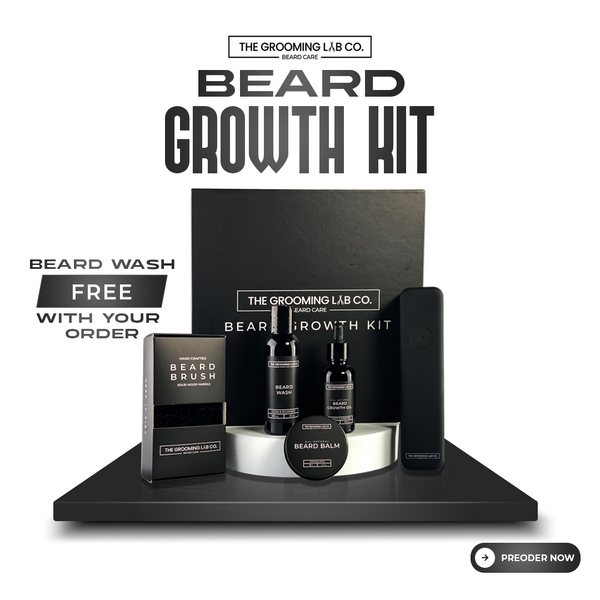
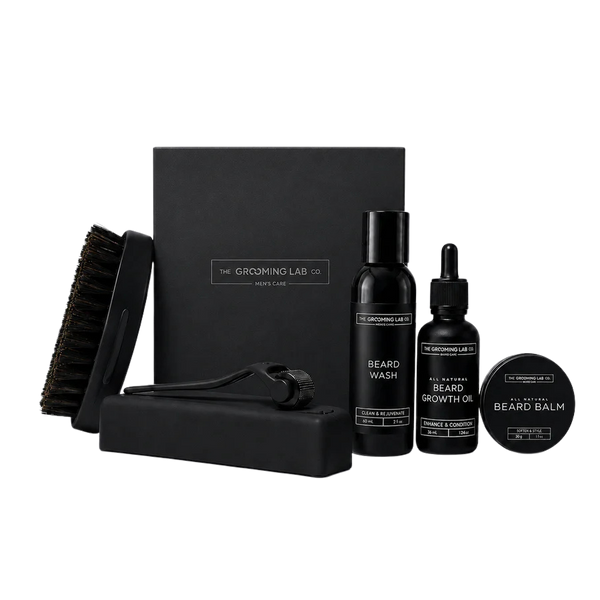
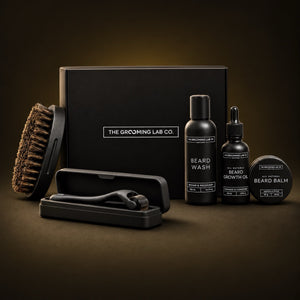
When you are ready, pair your oil with a wash and balm in the Beard Growth Kit, which is covered by a 150-day money-back guarantee. For a wider look at what a fuller-looking beard really depends on, see our guide to a thicker-looking beard.
What is the best beard oil in Australia?
There is no single best oil for everyone. The best choice has a short ingredient list built on carrier oils such as jojoba or macadamia, a scent level you tolerate, and a bottle size you will finish. Match it to your skin type, your beard length and your climate, and check the label for allergens before you buy.
Is jojoba or macadamia better for beard oil?
Both work well. Jojoba is light and non-greasy, which suits oily or combination skin. Macadamia is richer and can feel more comfortable on dry skin and thicker beards. Many good formulas combine the two. Macadamia is a tree nut, so avoid it if you have a nut allergy and check with your GP.
How many drops of beard oil should I use?
Start with two to three drops for stubble, three to five for a medium beard, and five to ten for longer beards. Apply less than you think you need, massage it into the skin first, then add a drop or two if your beard still feels dry after an hour.
Should I choose scented or unscented beard oil?
Unscented is the safer choice for sensitive skin, for men who wear cologne, and for anyone new to beard oil. Lightly scented oils are fine if your skin tolerates them. Avoid anything with a strong, overpowering smell, because fragrance is a common cause of skin irritation.
Is beard oil safe with a nut allergy?
Not always. Macadamia and sweet almond are tree nut oils, and some people react to them. If you have a nut allergy, read every ingredient, speak to your GP or allergist first, and consider a nut-free formula based on jojoba. Stop using any product that causes a reaction and seek medical help for a serious one.
Does beard oil make your beard grow faster?
No. Genetics, age, hormones and diet drive how your beard grows, and oil does not change that. What a good oil can do is help your skin feel comfortable and your beard look and feel softer and healthier while it grows. Patience of three to six months is realistic.
How often should I apply beard oil?
Most men apply it once a day, usually in the morning after washing and patting the beard dry. If your beard is dry, or you live somewhere with low humidity or constant air-conditioning, you can add a light second application in the evening. Use less if it ever looks greasy.
Can I use beard oil and beard balm together?
Yes. Apply the oil first so it can condition the skin and hair, then use a small amount of balm on top for hold and extra protection. Many men use oil alone in summer and add balm in cooler or drier months. Our guide to beard balm vs beard oil explains the difference.
This article is for general information about our products and ingredients. It is not medical advice. If you have a skin condition or allergies, talk to your doctor before using a new product.