
In this article
The honest answer is that evidence for derma rolling on beards is limited. Most of the research people quote is about scalp hair, usually alongside other treatments, and no roller can promise a fuller beard.
What a beard roller can be is a deliberate, low-effort step in a cosmetic routine, done carefully and consistently. This guide explains what the research does and does not say, who should skip it, and how to use a 0.5mm roller safely if you decide to try one.
There is no solid evidence that derma rolling helps beards grow. Greatist reports exactly that, and notes the scalp studies involve microneedling combined with other treatments. Genetics, age and hormones decide beard density. A roller is an optional routine step, not a fix. If you try one, keep it clean, go gently, and skip it on broken, irritated or inflamed skin.
What is a beard roller?
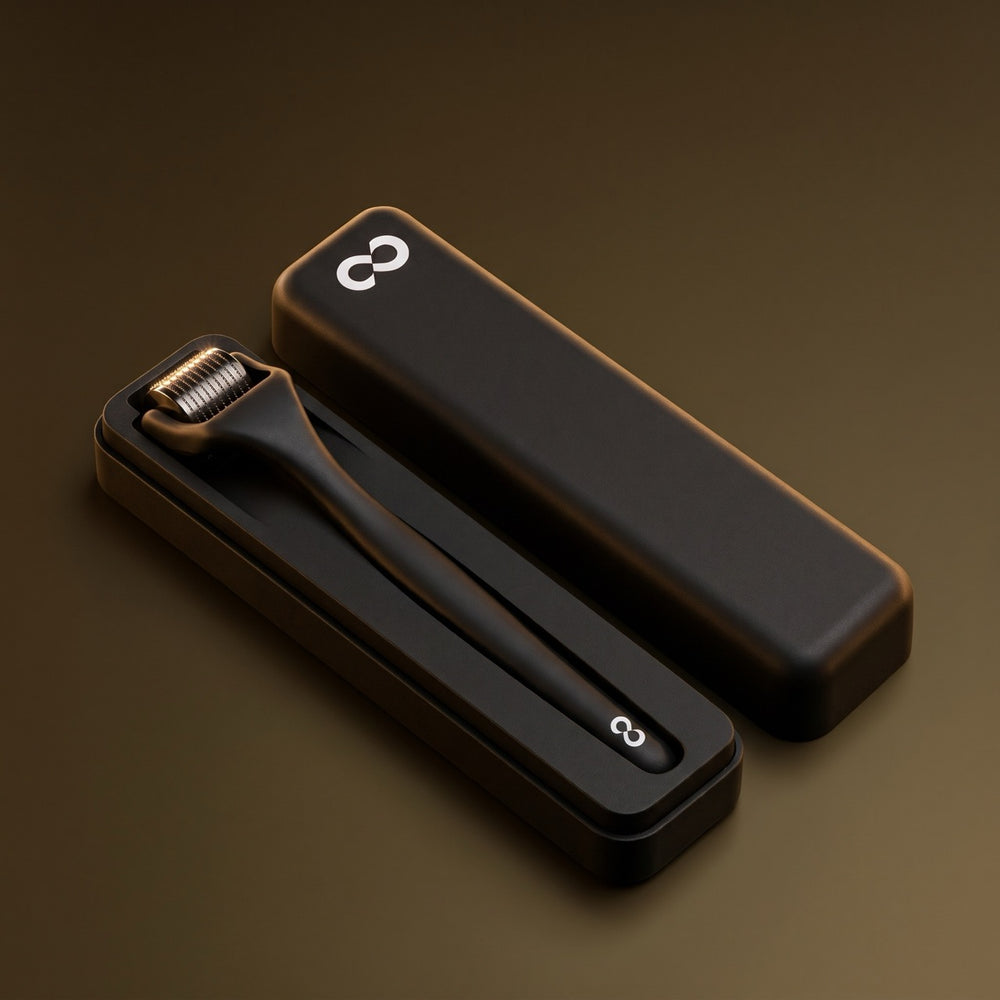
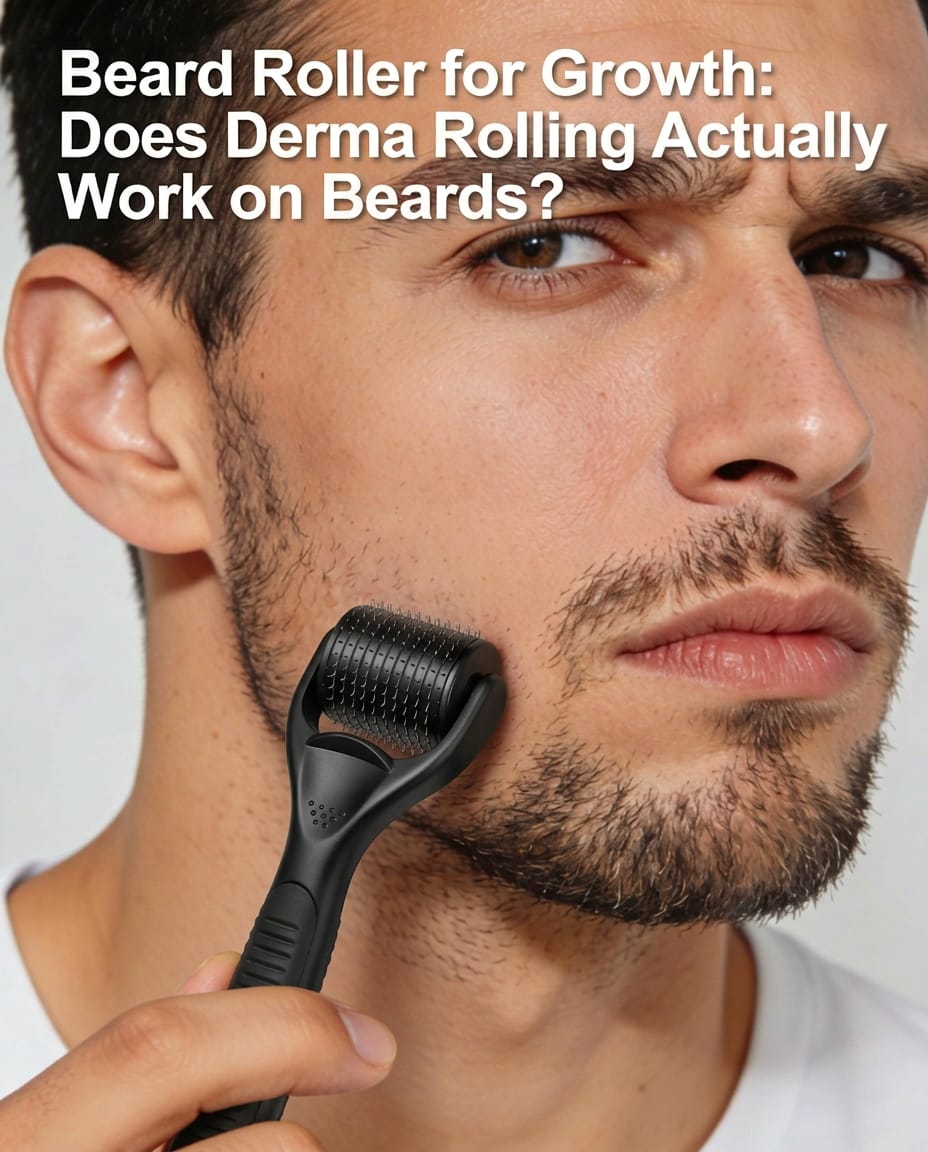
A beard roller, also called a derma roller, is a small handheld tool with a roller covered in fine needles. You roll it lightly over the skin of your cheeks and jawline. Needle length is measured in millimetres, and ours is 0.5mm.
The idea comes from skin care, where similar devices are used on the face and scalp. Beard rollers borrow the concept for the area where your beard grows. We sell one, so we are keen to be upfront about how much we can and cannot say.
Does derma rolling actually work on beards?
Here is the part many articles skip: the evidence is limited. Greatist reports there is no solid scientific evidence that dermarollers help beard growth, and that the studies on scalp hair suggest microneedling may help when combined with other treatments, with more research still needed. Beard-specific effects are unproven.
Beard density is mostly set by genetics, age and hormones. Cleveland Clinic describes genetics as the main factor and notes beards can keep thickening into the late 20s. Diet, sleep and stress play a smaller part. A tool cannot override those, and neither can any product. If you want the bigger picture, read our guide on how to grow a thicker beard, or the science behind beard growth.
What can a beard roller realistically do?
Keeping expectations grounded makes the whole thing more useful.
A routine step
Rolling gives you a regular moment to check on your skin and beard, and many men like the ritual.
Oil afterwards
Most men finish with a light oil, which helps hair feel softer and skin feel comfortable.
A guarantee
Some men notice no change, and that is a normal outcome.
The basics
A gentle wash, oil, brushing, time and a tidy shape do more for how a beard looks.
A realistic window for judging any beard routine is 3 to 6 months. Be wary of anyone promising miracle timelines.
Who should not use a beard roller?
This matters more than anything else in this article. Rolling is not for everyone.
Your skin is broken, cut, sunburnt, inflamed or infected. You have active acne, cold sores, warts or other lesions in the area. You have eczema, psoriasis, rosacea or dermatitis. You are prone to keloid scarring or heal poorly. You take blood-thinning medication or use prescription skin treatments such as retinoids. You are pregnant, immunocompromised or unsure whether it suits you.
Greatist raises the same cautions: open wounds, active breakouts (rolling can spread bacteria) and skin conditions such as eczema or psoriasis, until you have checked with a doctor. It also notes that puncturing the skin can cause infection, inflammation and scarring, and that a dermatologist is a safer route for microneedling.
If you have sudden hair loss, round or smooth patches or changes in your skin, see a doctor. Patchy beard growth can have medical causes, including alopecia areata, and a roller is not a way to address that. This article is general information, not medical advice.
How do you use a beard roller safely?
Safety is mostly about cleanliness and restraint. Our Beard Growth Roller is a 0.5mm roller with 540 titanium microneedles. For the full walkthrough, see our guide on how to use a beard roller safely. The short version:
Check your skin
If there is any cut, spot, redness or irritation, skip the session.
Wash and dry
Use a gentle product like our Beard Growth Wash and dry fully.
Clean the roller
Spray the head with our Roller Cleanser, 75% isopropyl alcohol with tea tree, and let it dry.
Roll lightly
Hold the skin flat, use very light pressure and do a few passes per area. Greatist notes heavy bleeding means you are pressing too hard. Stop if it hurts.
Clean again and store
Clean after every session, let it dry and keep it in its case. Never share it.
What pressure should you use?
Much lighter than you would expect. You should feel a mild, even sensation, not pain. If your skin is bright red or hot afterwards, you pressed too hard or rolled too long.
What should you apply afterwards?
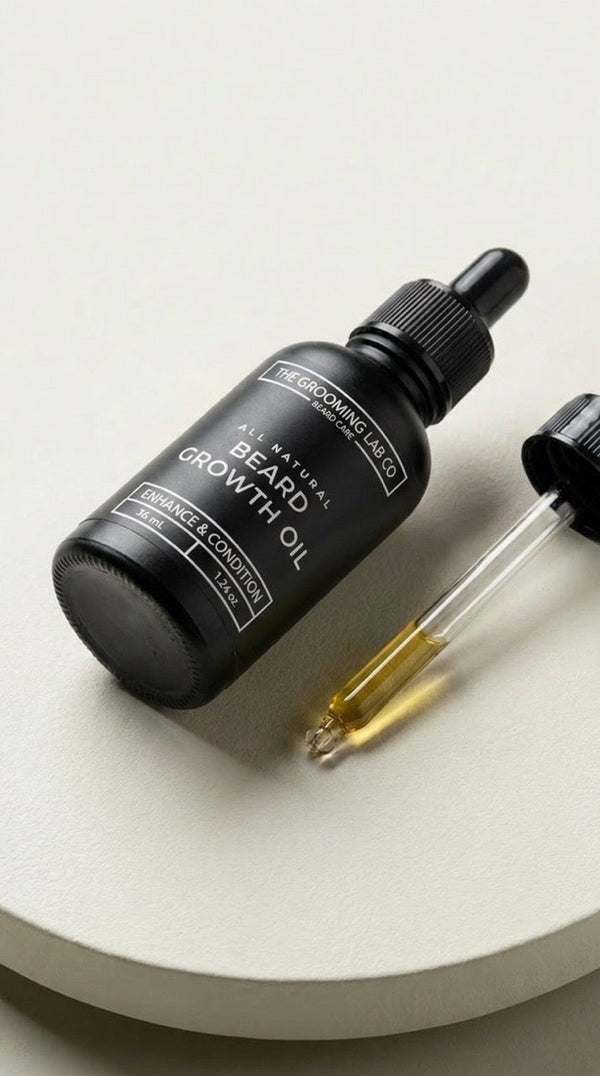
Keep it simple. Skin can be sensitive after rolling, so avoid active skin care products, strong fragrances or alcohol-heavy products on the area for the rest of the day. Many men apply a few drops of Beard Growth Oil, which contains jojoba oil, macadamia oil (a tree nut), vitamin E and zinc. If your skin stings or reacts, rinse with water and stop. Patch test any new product first.
How often should you use a beard roller?
Less often is the safer way to go. Our routine is every third evening, followed by oil. Greatist suggests limiting 0.5mm needles to once or twice a week, so if you are new to it, start with one session a week and see how your skin responds. If it is red or sore the next day, leave a longer gap or stop. More frequent rolling does not mean better results.
Replace the roller as directed. Needles dull and wear, and a worn roller is more likely to irritate. If the head looks bent, rusty or damaged, replace it straight away.
What needle size should you choose?
Longer is not better. Needles of 0.5mm or shorter are the sensible ceiling for home use, and Greatist reaches the same view. Longer needles carry more risk of irritation and are generally for supervised treatments. We do not suggest going longer at home.
Is a beard roller better than just using oil?
Not necessarily. A conditioning oil has a clear job: it helps hair feel softer and skin feel comfortable. A roller has a less certain one, because the evidence is limited.
If you are building a routine from scratch, start with the basics. A gentle wash, an oil and a brush will do more for how your beard looks and feels than a roller will. Add a roller later if you enjoy the extra step and are comfortable with the safety guidance. Plenty of men with great-looking beards have never touched one.
What are the most common beard roller mistakes?
Do
- Clean the roller before and after every use.
- Use very light pressure.
- Roll only on calm, healthy skin.
- Give any routine 3 to 6 months.
- Replace the roller as directed.
Don't
- Press hard, expecting better results.
- Roll daily. Skin needs time to settle.
- Roll over pink, sore or broken skin.
- Share your roller.
- Keep going if you see swelling, pus or lasting redness.
If something feels wrong, stop. Redness that lasts, swelling, pus, pain or a rash is a reason to see your GP rather than keep going.
What else supports a fuller-looking beard?
If you only had time to change a few things, these matter more than any tool.
- Time. Many men give up at week four. A fair trial is 3 to 6 months without trimming it back.
- A clean base. A gentle, sulfate-free wash keeps skin comfortable.
- Conditioning. Oil and balm help hair feel softer and look fuller. See beard balm vs beard oil.
- Brushing. A beard brush spreads product and lays hair neatly.
- Sleep, food and stress. Cleveland Clinic links diet, stress and sleep to hair health.
- A shape that suits you. A tidy neckline and cheek line can make a beard look fuller than it is.
Our complete beard care routine puts these steps in order.
Is a beard roller worth it?
It depends on what you want from it. If you want a guaranteed outcome, no roller can offer that, and you should be wary of any seller who does. If you like having a clear routine, are comfortable with the safety steps and are happy to judge it over several months, it can be a reasonable optional part of your routine.
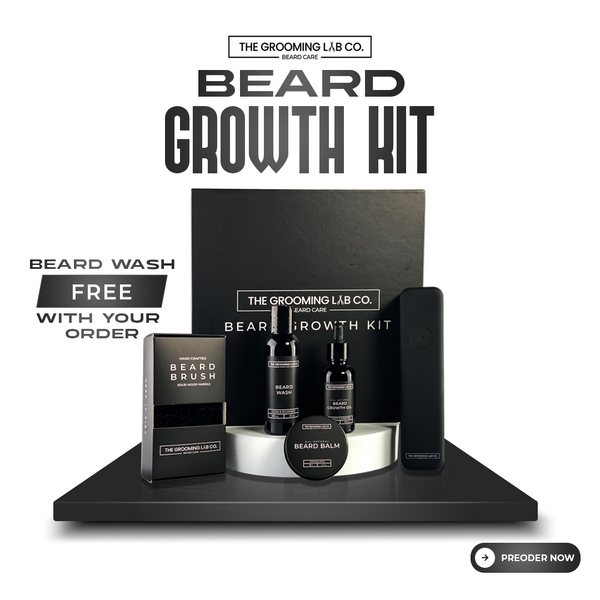
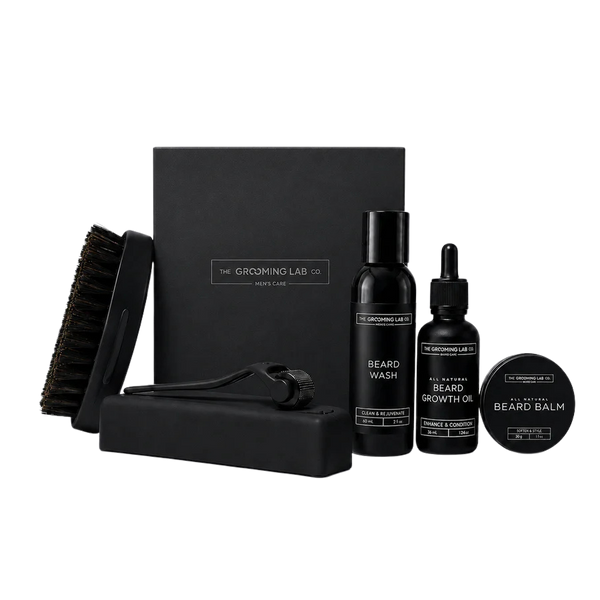
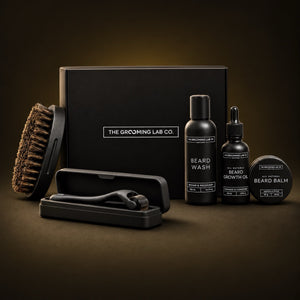
If you would rather have all the steps together, the Beard Growth Kit includes the 0.5mm roller with a wash, oil, balm and brush, in 60, 90 and 120-day sizes, with a 150-day money-back guarantee on kits. You can also browse the beard growth collection. Results vary, and genetics, age and hormones still decide how dense your beard gets.
Does a beard roller really work?
The evidence is limited. Most microneedling research relates to scalp hair, often alongside other treatments, and no solid evidence shows rollers help beards grow. Some men use a roller as an optional routine step, but it cannot promise a fuller beard. Genetics, age and hormones matter most, and results take months to judge.
How often should you use a beard roller?
Our routine is every third evening followed by oil, but less often is safer. Greatist suggests limiting 0.5mm needles to once or twice a week. If you are new to it, start with one session a week. If your skin is red or sore the next day, leave a longer gap or stop.
Is derma rolling your beard safe?
It can be a lower-risk routine step if the roller is clean, pressure is very light and your skin is healthy. Puncturing skin can cause infection, inflammation and scarring. Avoid broken, inflamed or acne-prone skin, and check with a GP or dermatologist if you have a skin condition.
What size beard roller should you use?
For home use, 0.5mm is the sensible ceiling and the length of our roller. Longer needles carry more risk of irritation and are generally for supervised treatments. Follow the directions with your product, and do not go longer at home because you expect better results.
Can a beard roller fix patchy beards?
We cannot say it will. Patchiness is mostly down to genetics, age and hormones, and sudden or round patches can have medical causes such as alopecia areata, so see a doctor if you are concerned. A roller is an optional routine step, not a fix, and some men notice no change.
How do you clean a beard roller?
Clean it before and after every use. Spray the head with a cleanser such as our Roller Cleanser, which is 75% isopropyl alcohol, 24% water and 1% tea tree, then let it dry fully and store it in its case. Never share your roller, and replace it as directed when it wears.
Who should avoid using a beard roller?
Avoid it on broken, sunburnt, inflamed or infected skin, and around active acne, cold sores or lesions. Check with your GP or dermatologist first if you have eczema, psoriasis, rosacea, a tendency to scar, a healing condition, take blood thinners or use prescription skin treatments.
This article is for general information about our products and ingredients. It is not medical advice. If you have a skin condition or allergies, talk to your doctor before using a new product.